Digital Weight
From Hidden Infrastructure to
Computational Conditions.
Digital Weight is an ongoing artistic research project examining how the material and energetic conditions of computation become part of digital experience and creative practice.
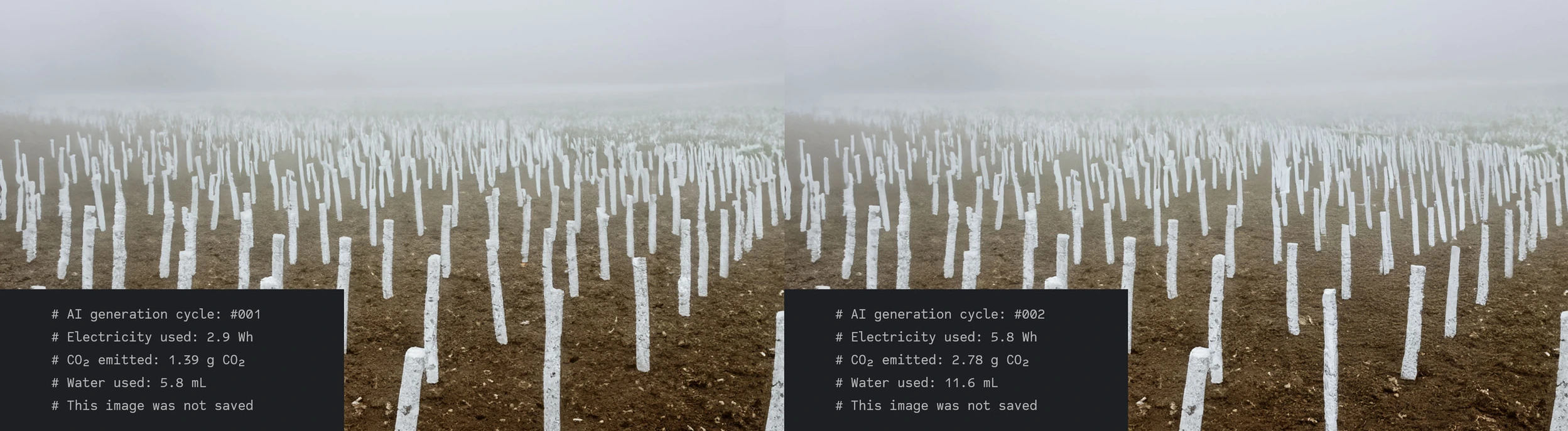
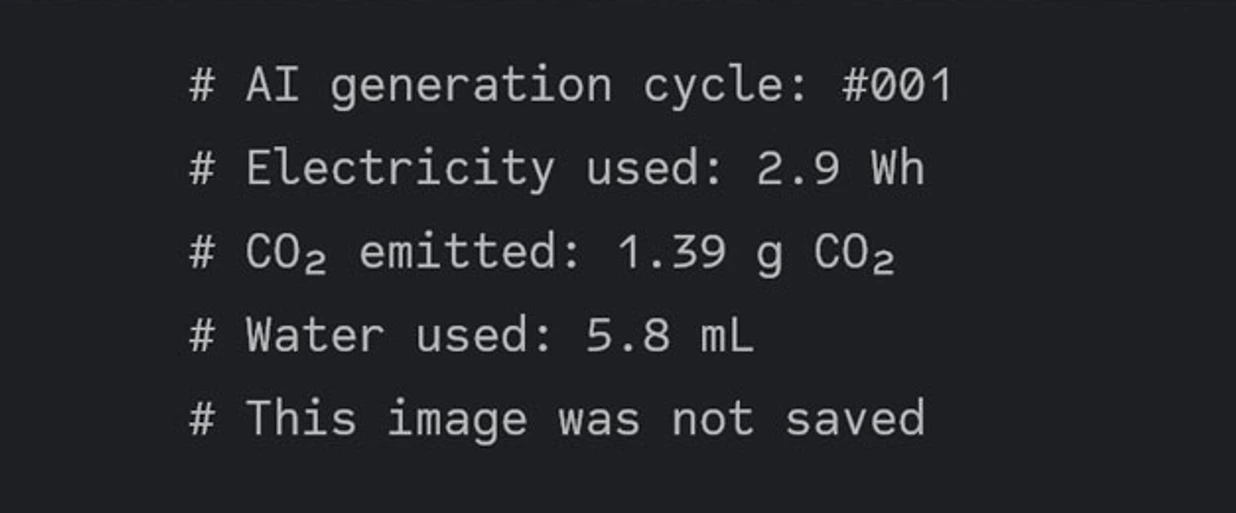
Digital actions appear immediate and almost weightless, although they depend on physical infrastructures: computation, electricity, cooling, networks and material resources. Digital Weight began by making this dependency perceptible through temporal accumulation. A nearly static image is repeatedly generated as counters accumulate literature-based estimates of electricity use, carbon emissions and cooling water. The work does not claim real-time measurement. Its assumptions remain explicit, and repetition, duration and accumulation become part of the form through which an otherwise hidden computational process can be encountered.
From this starting point, the project moved beyond environmental representation. The question became what can be known about the conditions behind computation, and how those conditions might become part of the work itself.
This led to the development of Infrastructural Situatedness, a framework for documenting the conditions under which generative processes take place. Generation count, compute regime, workflow structure, runtime, resource intensity and uncertainty become part of the record through which a computational process can be understood and compared. Attention shifts from the visible output to the infrastructural history that made it possible.
Digital Weight is now in its third development stage. Here, infrastructural conditions begin to shape the interaction itself.
Finite Search is the first experiment in this stage. It introduces limited computational capacity into generative search. Users decide whether to spend that capacity refining an existing direction or exploring a new one. Each decision changes what remains possible. The interface treats repeated generation and apparently unlimited search as designed conditions rather than inherent properties of generative AI.
Digital Weight has developed from making computational infrastructure perceptible, to making it documentable, and now to making it operative and negotiable within interaction.

Core Concepts
Digital Weight is an artistic research project investigating the material footprint of generative digital systems.
 Digital Materiality
 Hidden Infrastructure
 Temporal Perception
 Computational Conditions
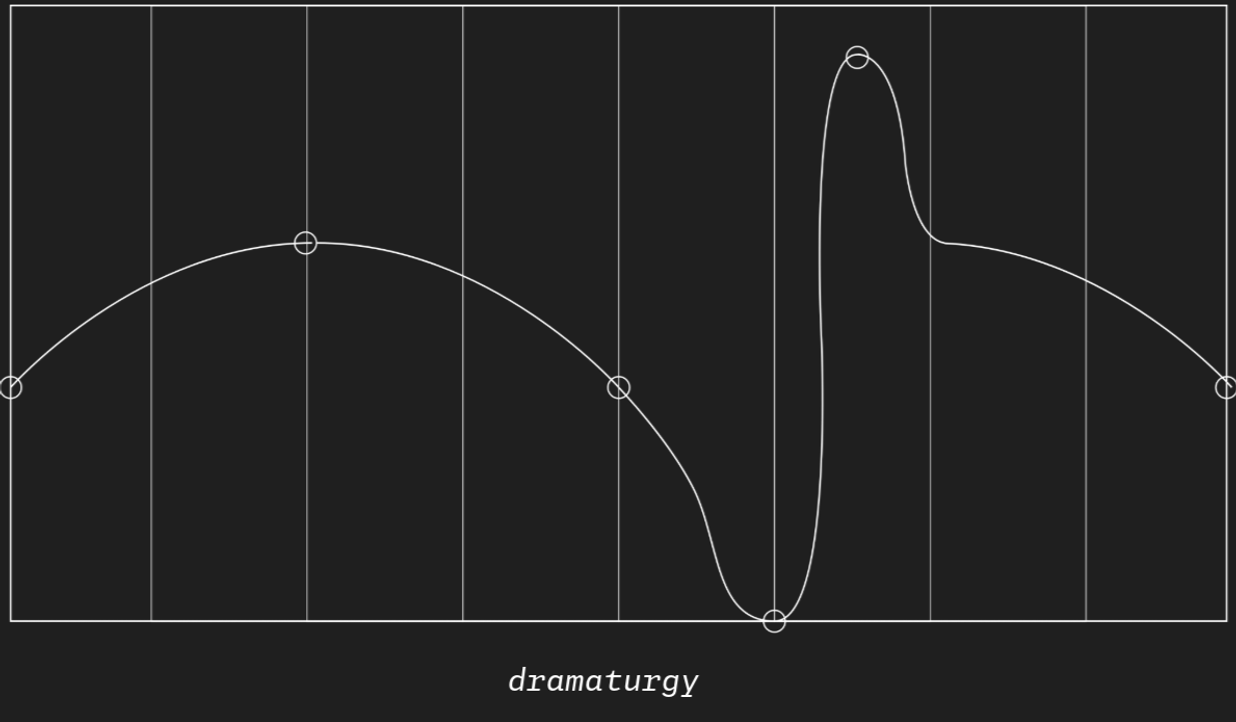
1. Visual documentation
2. Methodology section
The methodology below documents the first stage of Digital Weight, from which the later interactive experiments developed.
Digital Weight uses a simulation-based model grounded in peer-reviewed research on AI energy use, carbon intensity, and data-center water consumption.
Each frame of the 8-minute loop functions as one generative cycle.
Three counters: electricity, CO₂, cooling water – rise cumulatively with every iteration.
2.1. Core Coefficients
Energy per image (AI inference):
≈ 0.0029 kWh / image
(Luccioni et al., 2024)
CO₂ intensity (global average grid):
≈ 480 g CO₂ / kWh
(Ember, 2024)
Water usage effectiveness (data-center cooling):
≈ 2 L / kWh
(MIT, 2025)
2.2. Frame-Based Calculation
Loop duration: 480 s (8 minutes)
Cadence: 2 frames / second
Total frames: 960
N = r × T
E = N × eimg
CO₂ = E × EF
Water = E × WUE
Variable Definitions
N – number of generative cycles
E – total energy consumed
EF – emission factor (g CO₂ per kWh)
WUE – water-use effectiveness (L per kWh)
2.3. Resulting Totals (per 8-minute loop)
~2784 WhElectricity
~1336 gCO₂
~5568 mLCooling Water
2.4. Scenario Bands (Illustrating Scale)
To contextualize the method beyond a single 8-minute loop, the same coefficients can be projected onto larger, platform-level volumes. Because the equations are linear, impacts scale proportionally with activity.
For illustration, three activity bands - LOW / MID / HIGH - show how quickly small per-image costs accumulate when multiplied by millions of daily generations.
- LOW1M images/day represents minimal traffic
- MID10M images/day approximates ~10M daily active users generating a single image each
- HIGH100M images/day functions as an upper-band stress test
Even under conservative assumptions, the resulting electricity, CO₂, and water footprints expand dramatically with volume.
These scenarios highlight the gap between an individual interaction, which feels negligible, and the aggregate scale of global AI deployment.
2.5. The Methodological Significance
Although the image remains almost unchanged, the computational expenditure persists and accumulates.
The methodology reveals this concealed dynamic by:
- demonstrating strict linear scaling (time directly multiplies impact)
- preserving the separation of physical units
- grounding each coefficient in transparent, disclosed assumptions
- employing formulas that remain traceable to scientific literature
In doing so, the method transforms an abstract environmental cost into a perceptible metabolic rhythm of computation.
2.6. Temporal Translation
The model transforms scientific coefficients into time-based sensation:
- slow cadence
- rising counters
- minimal visual change
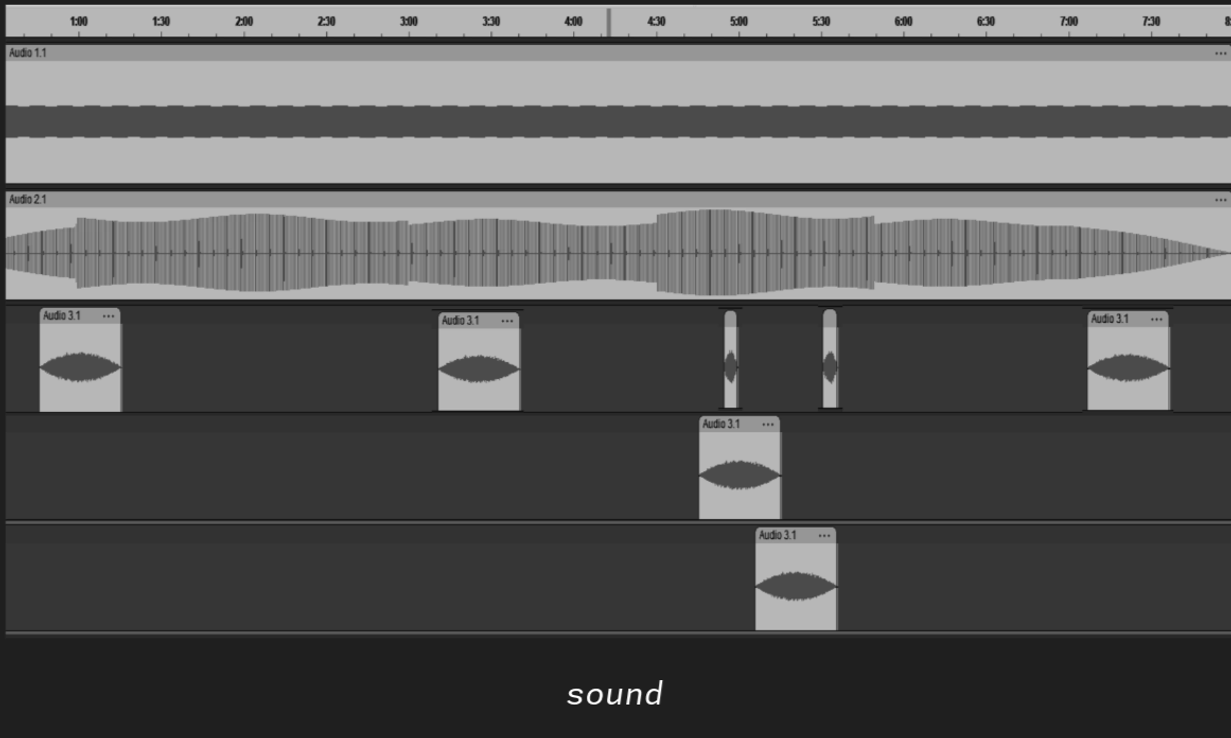
- infrastructural sound
This creates an embodied understanding of how invisible digital actions accumulate into planetary-scale resource consumption.
3. Technical overview
A fixed 8-minute video loop (1080p, stereo), constructed from 960 individually generated frames at a cadence of 2 fps.
4. Interactive Extensions –
From Hidden Infrastructure to Active Conditions
Digital Weight is accompanied by three interactive interfaces that approach computational infrastructure from different directions. The first connects everyday digital activity to resource use. The second traces a digital action through the physical infrastructure behind the interface. The third introduces computational capacity as a condition of interaction itself. Together, they move the project from observing computational infrastructure toward acting within its conditions.
App 1: “Your Digital Shadow” – SITUATING RESOURCE USE
Connects common digital actions, such as emails, searches and image uploads, to estimates of their associated resource use. Electricity, carbon emissions and cooling water are translated into tangible reference units, situating everyday digital activity within the material conditions that support it.
App 2: “The Cloud Unveiled” – TRACING PHYSICAL INFRASTRUCTURE
Traces a single digital action through the physical systems that sustain it: servers, networks, data centres and energy infrastructure. The interface connects the apparent immediacy of a digital action to the distributed material systems operating behind “the cloud.”
App 3: “Finite Search” – NEGOTIATING COMPUTATIONAL CAPACITY
Introduces a finite search capacity into generative interaction. Users decide how to allocate a limited number of operations between refining an existing direction and exploring a new one. Each decision changes what remains possible, making computational capacity an active condition of the search itself.
5. Exhibition Module:
Video Loop + Interactive Extensions (Modular Setup)
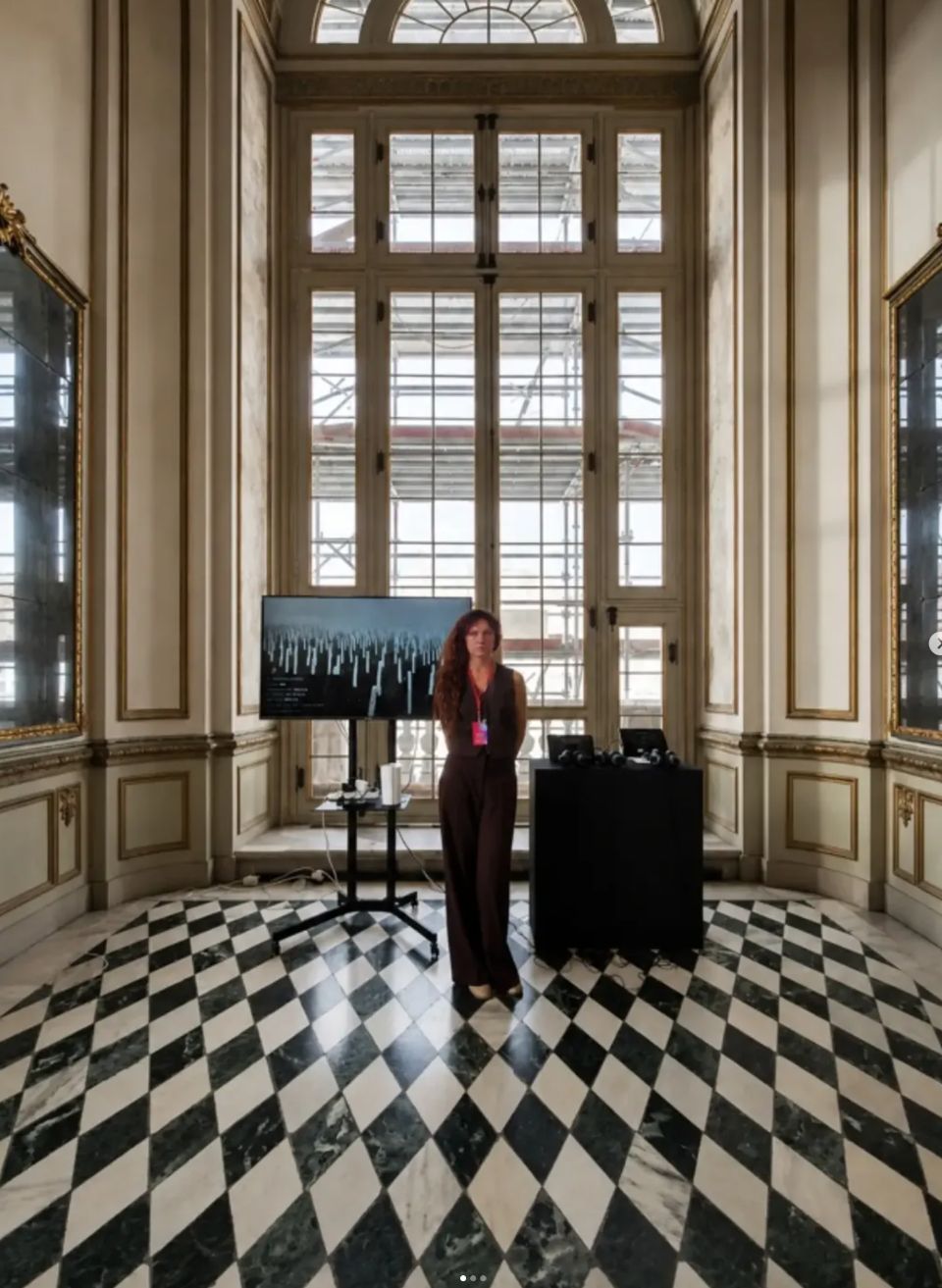
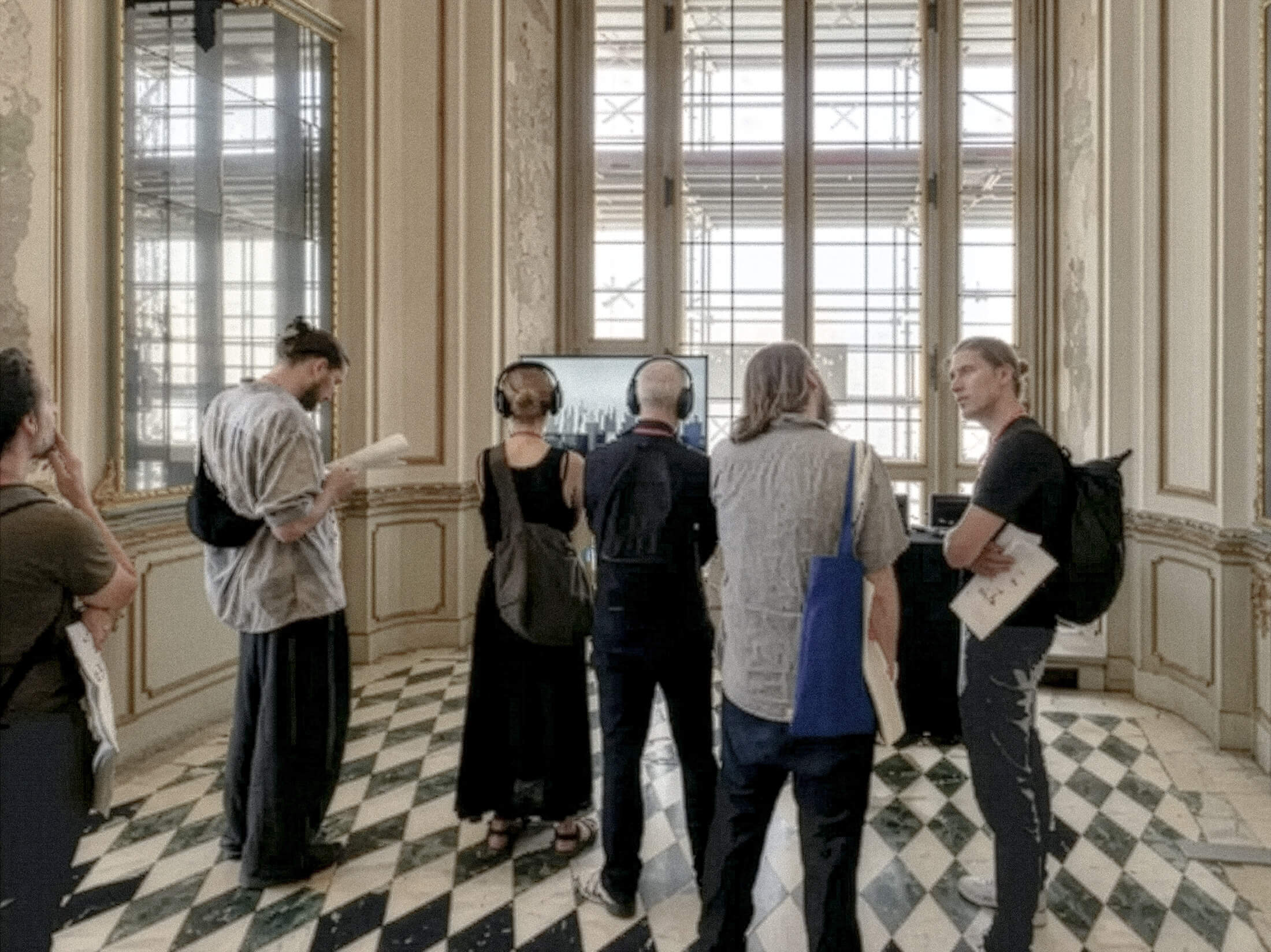
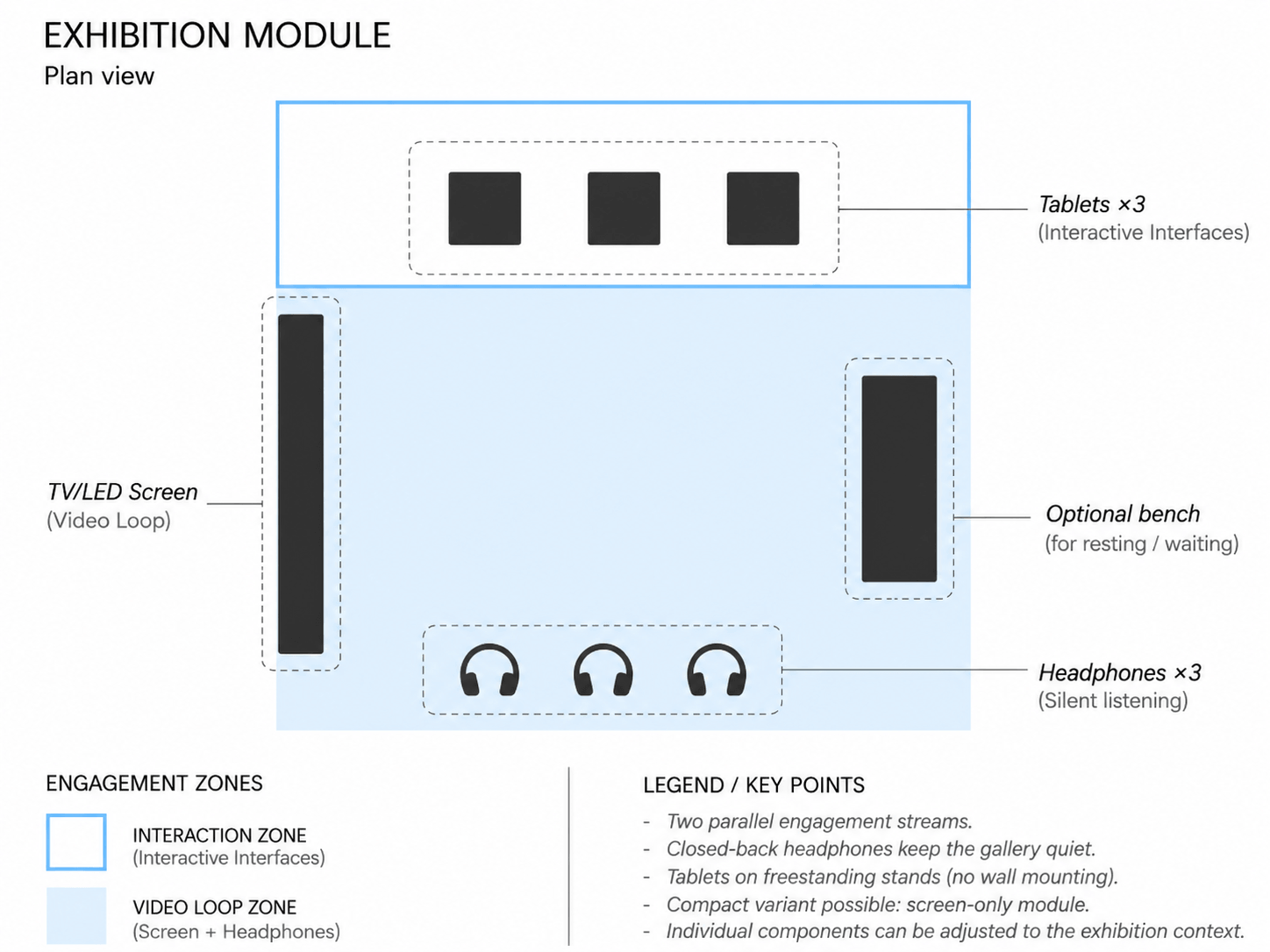
Digital Weight is conceived as a compact, freestanding installation combining a primary screen-based video loop with two adjacent tablet stations. Within an approximately 2 × 2 m footprint, the work can operate as a self-contained exhibition module without requiring permanent alterations to the exhibition space.
The installation is organised to support simultaneous viewing and interaction:
Video Loop Zone: screen + silent listening (core work).
The main screen presents the continuous loop with on-screen accumulation counters. Audio is delivered via headphones to support focused listening and reduce sound spill into the exhibition space. Multiple headphone sets can be provided during periods of higher visitor traffic.
Interaction Zone: interactive interfaces.
The tablet stations provide access to three interactive extensions: Your Digital Shadow, The Cloud Unveiled, and Finite Search. Each is a short, self-contained interaction approaching computational infrastructure from a different direction. The interfaces can be presented individually or in combination, depending on the exhibition context.
Visitor flow.
The screen functions as the immediate first encounter with the work. The tablets are positioned laterally and allow visitors to continue through the interactive components. The configuration supports several visitors simultaneously without requiring a fixed sequence through the installation.
Scalable configuration.
Digital Weight can be adapted to different spatial and technical conditions. The video loop can operate independently, or the installation can incorporate one or more of the interactive interfaces.
Components / Equipment
Power
Power extension + power strip (surge-protected)
Cabling + cable management (gaffer tape / cable ties / optional cable cover)
Main screen (video loop)
1× LED screen / monitor (HDMI input)
1× Playback device (mini-PC / laptop / media player) + HDMI cable
Audio for quiet listening
3× wired headphones
1× headphone splitter (1→3) or small headphone distribution amp (recommended for stable volume)
3× headphone extension cables (as needed)
Interactive layer
3× tablets
3× tablet stands (preferably with basic security / lockable mounts)
Chargers + cables for each tablet (USB-C / Lightning, depending on device)
Connectivity
Wi-Fi with internet access (required for running the Figma prototypes on the tablets)
6. Publications
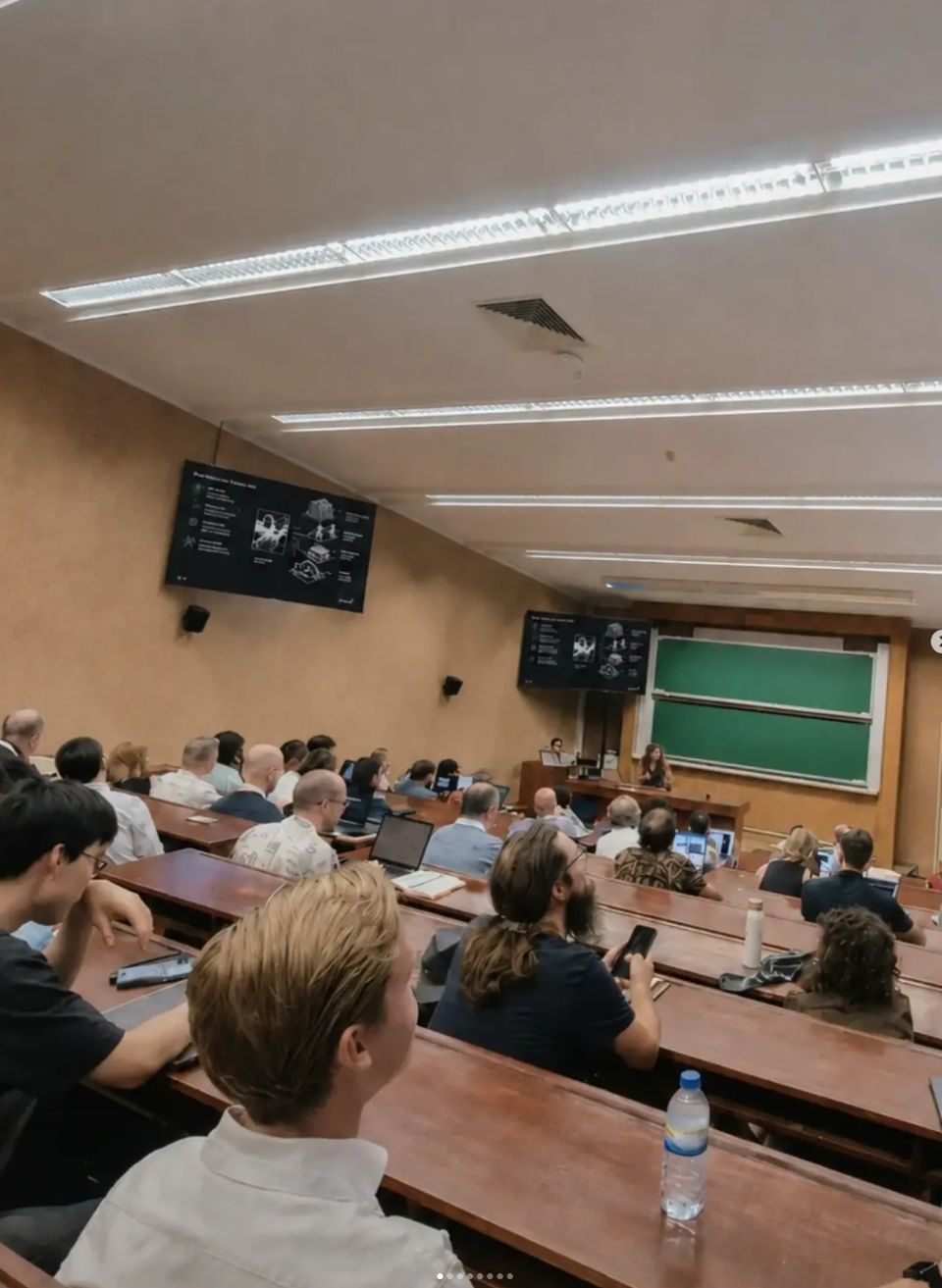
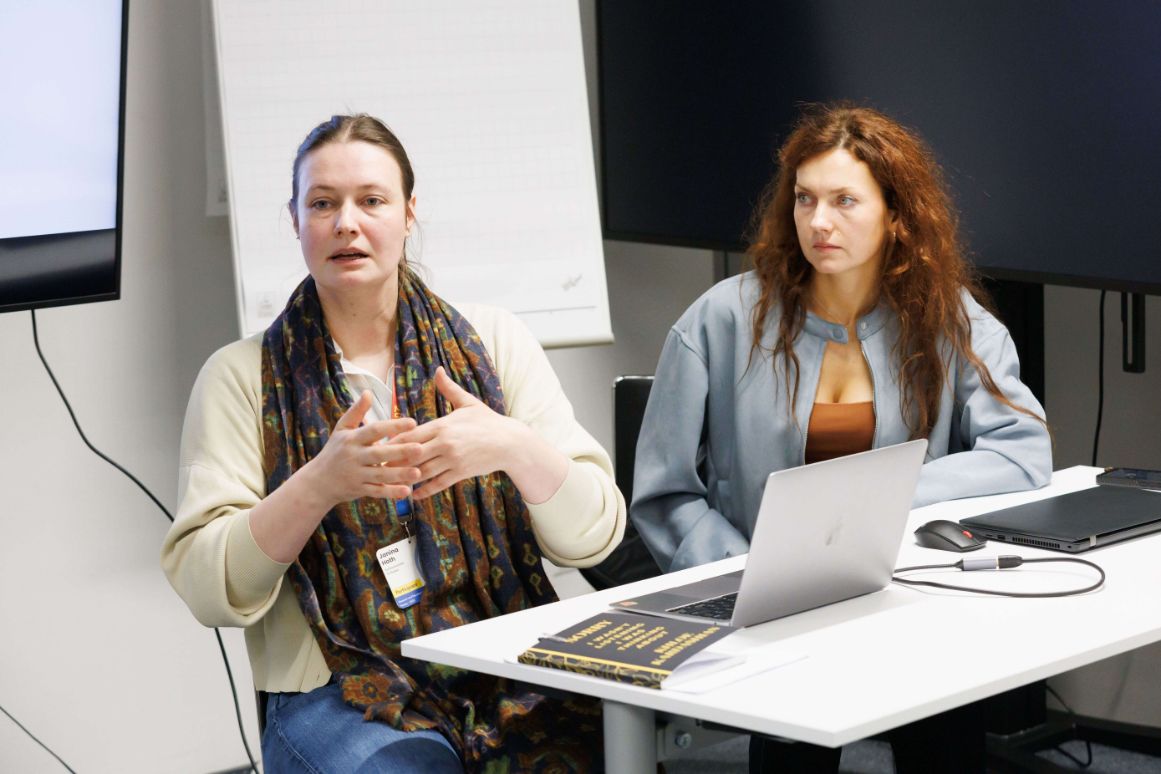
Selected Presentations & Research Contexts
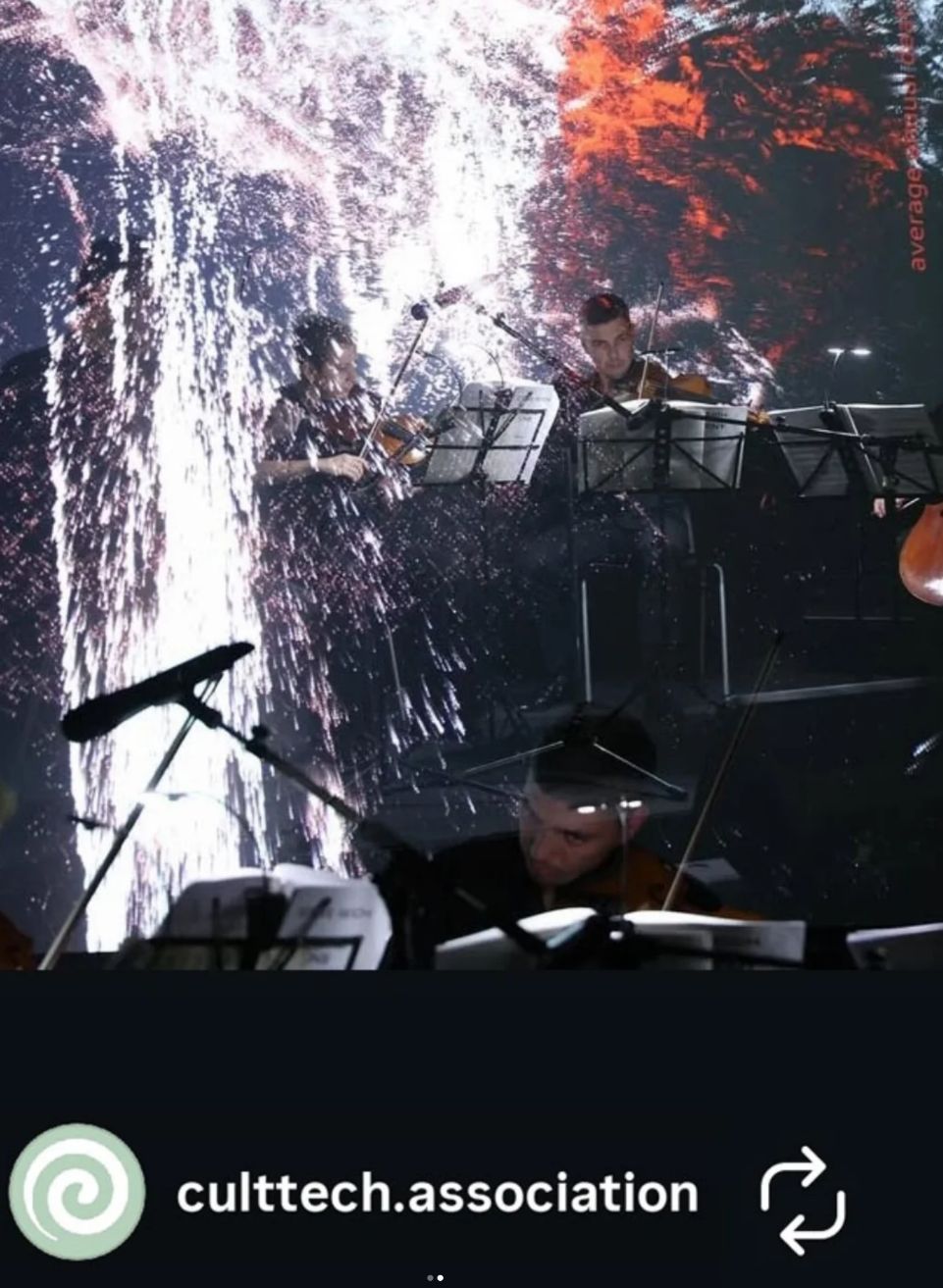
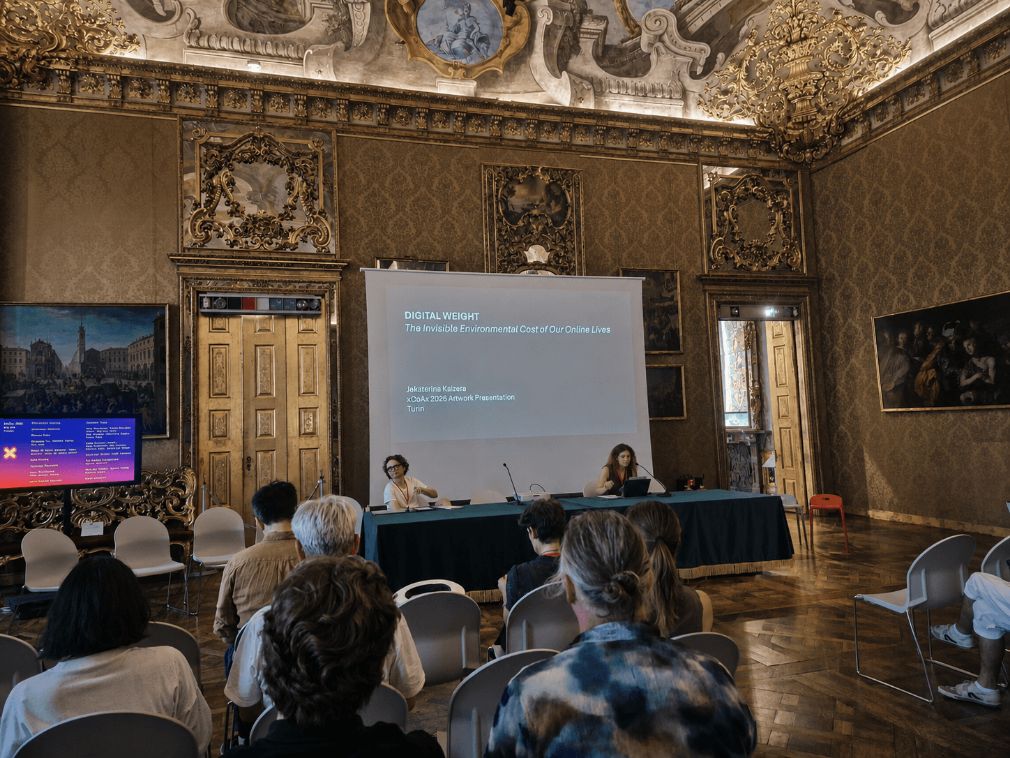
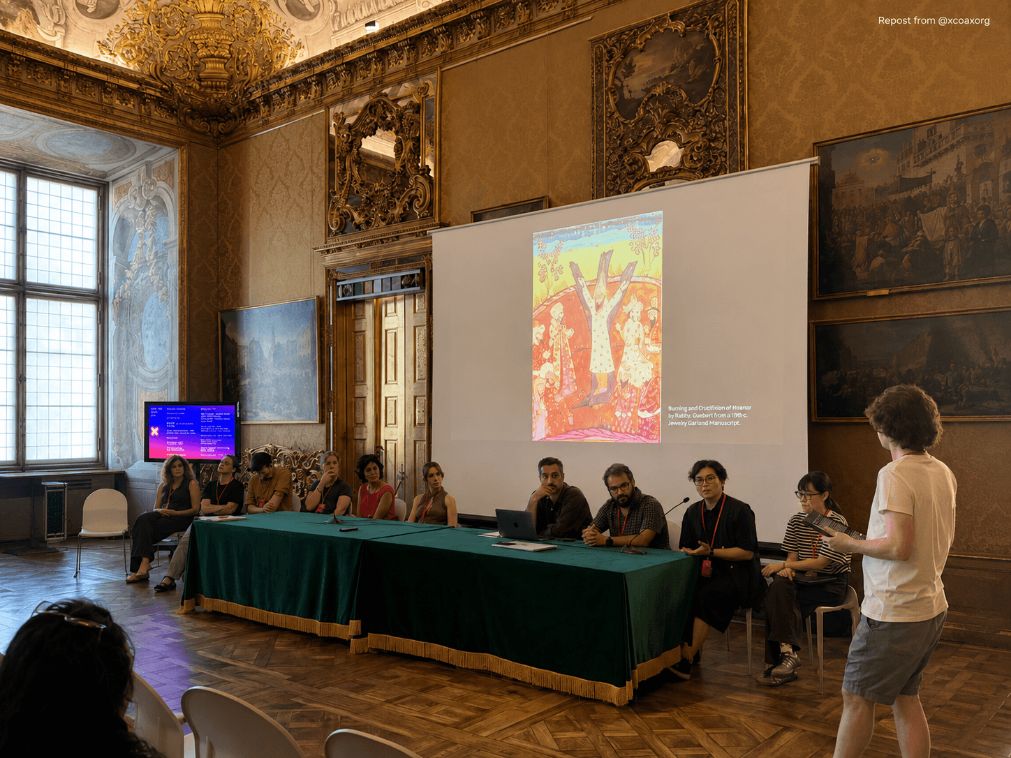
2026 — xCoAx, Turin — Digital Weight
2026 — ISEA — selected for presentation
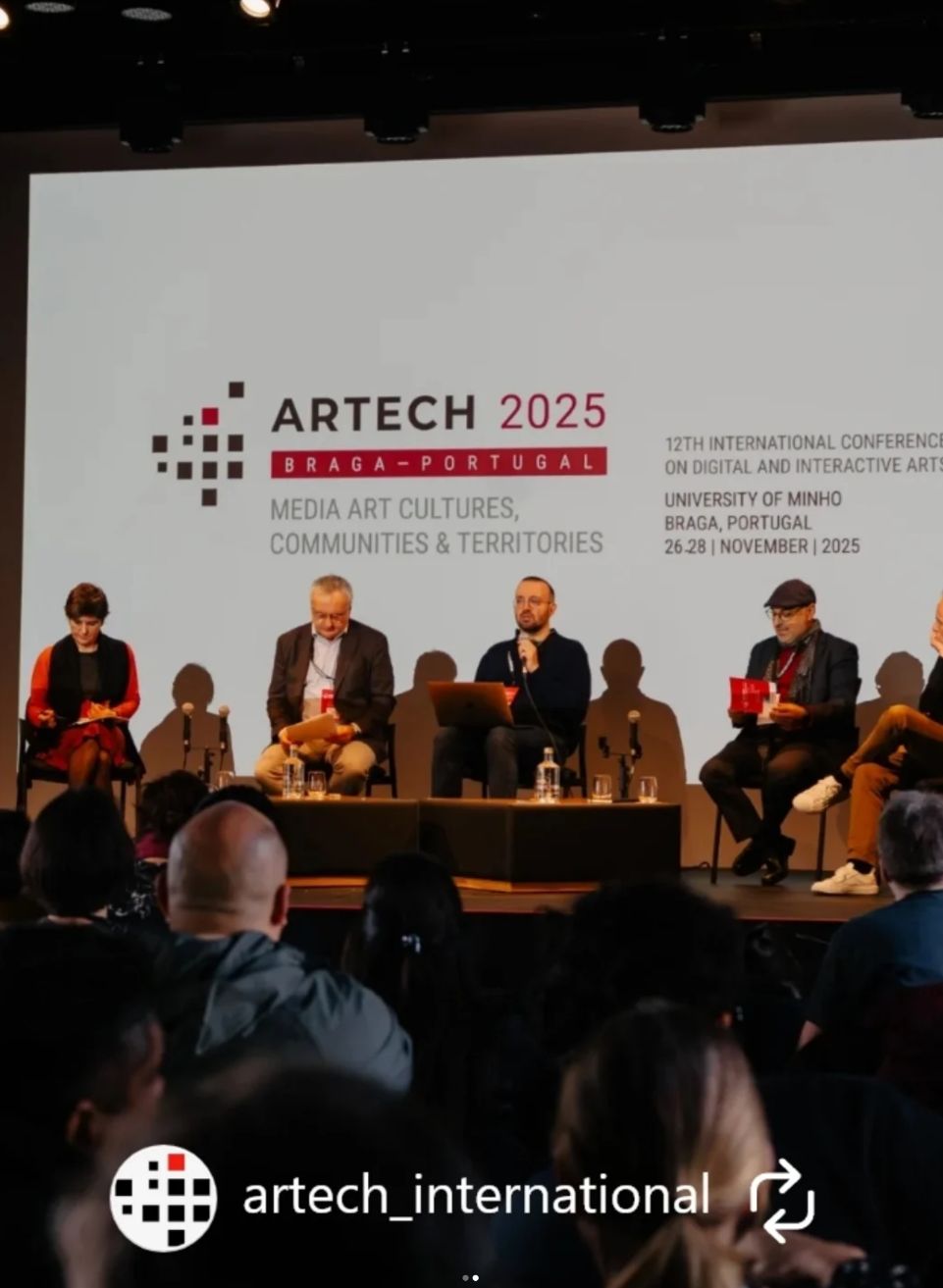
2025 — ARTECH, Braga — Digital Weight